Why I sometimes exchange cash
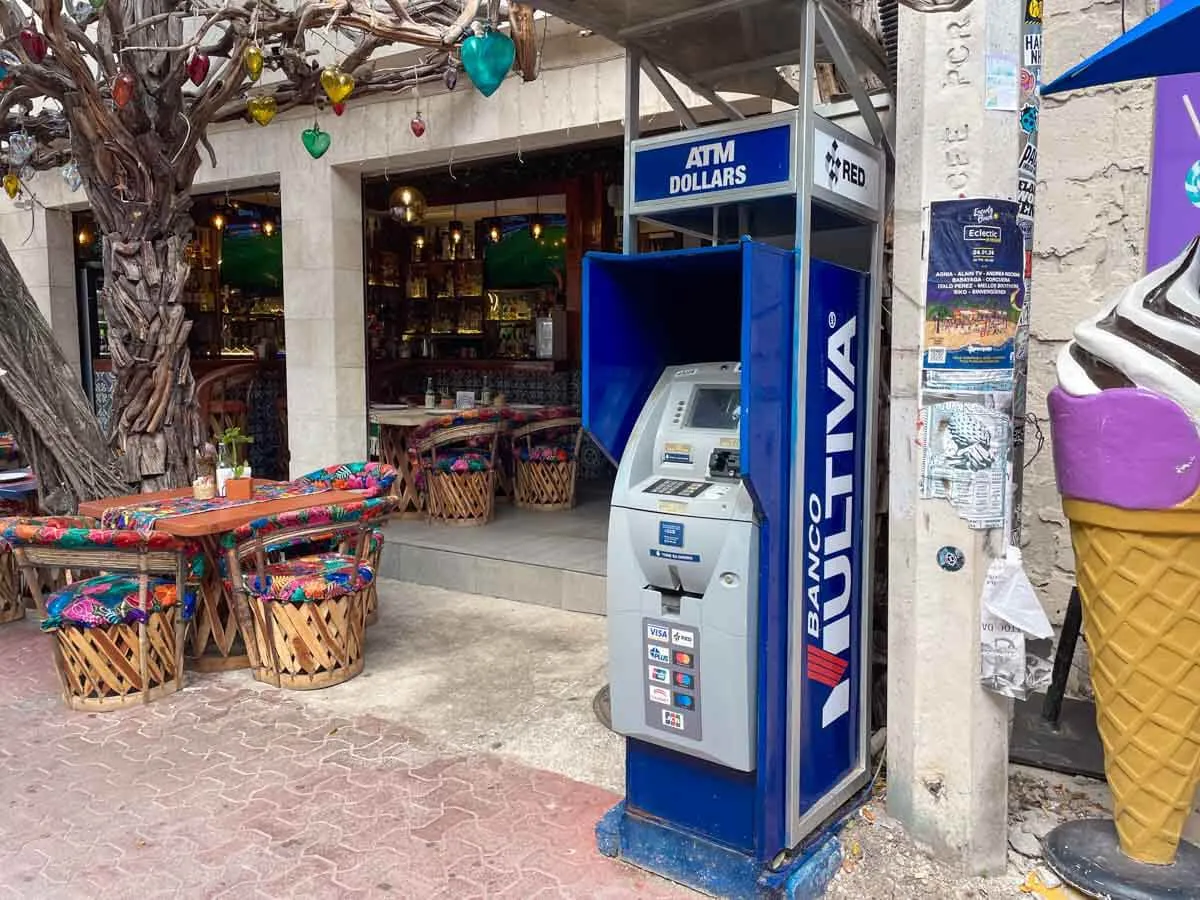
When I’ve traveled through the US or Europe, I often have some USD or EUR in my wallet. An exchange office can then be a decent alternative to an ATM, especially if I want to change a slightly larger amount without paying ATM fees.
How I do it, step by step
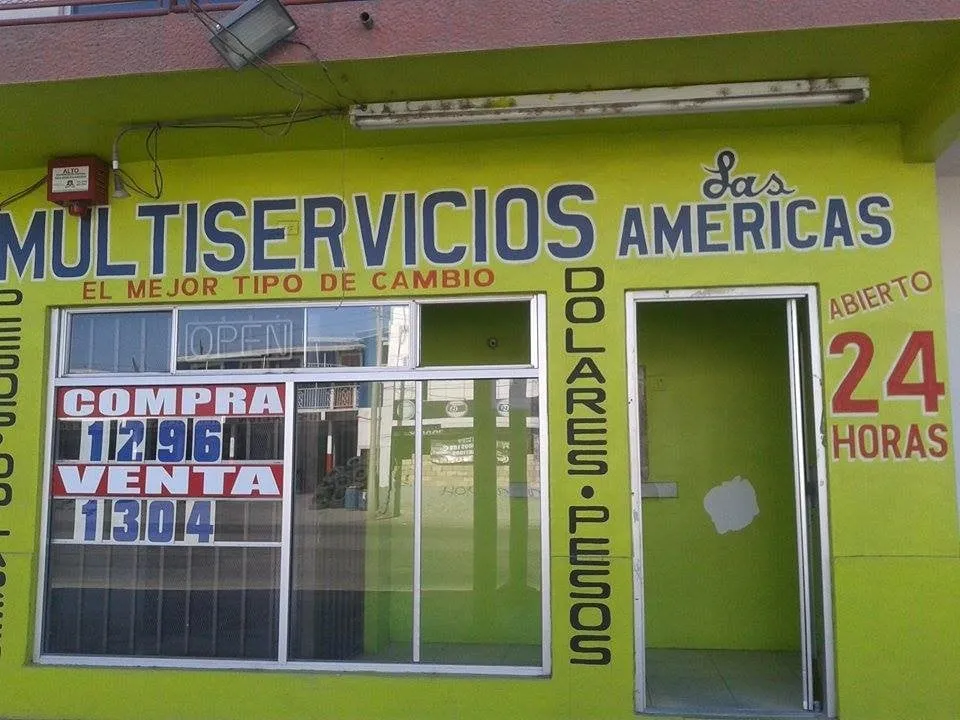
- I find an exchange office—a casa de cambio; you see them all over Centro and along Fifth Avenue.
- I check the rate posted in the window before I go in. There are two rates: compra (what they buy the currency for) and venta (what they sell it for). If I’m exchanging USD for pesos, I look at compra.
- I compare it to today’s real rate on Google to see how big the markup is.
- If the rate is fair, I go in, show my passport (often required), and exchange.
- I always count the money before I leave.
Which currency I bring
- US dollars (USD): Best rate, accepted everywhere. My first choice if I have it.
- Euros (EUR): Good rate, accepted at most offices.
- Less common currencies: Difficult. Most offices won’t take them, and those that do give a poor rate. Convert to USD/EUR at home first.
Pros
- No ATM fee
- You see the rate before you exchange
- Good for changing a slightly larger amount at once
- You get pesos in hand immediately
Cons
- You have to carry cash (risky)
- The rate varies a lot from office to office
- Some offices try to give tourists an especially bad rate
My tricks for avoiding a bad rate
- I avoid exchange offices inside malls and hotels—they always have worse rates
- I always compare to Google’s daily rate
- I never exchange at the airport if I can avoid it
- I stay away from street vendors offering to exchange
What it actually costs me
The markup is usually 2–5% below the market rate, depending on which office I use and how much I exchange. It’s better than an ATM, but worse than Revolut or Wise.
My recommendation
Use an exchange office if you already have USD or EUR in cash. If you’d have to convert from a less common currency first, skip this method—Revolut or Wise gives you a better rate without carrying cash.