Why I use ATMs occasionally
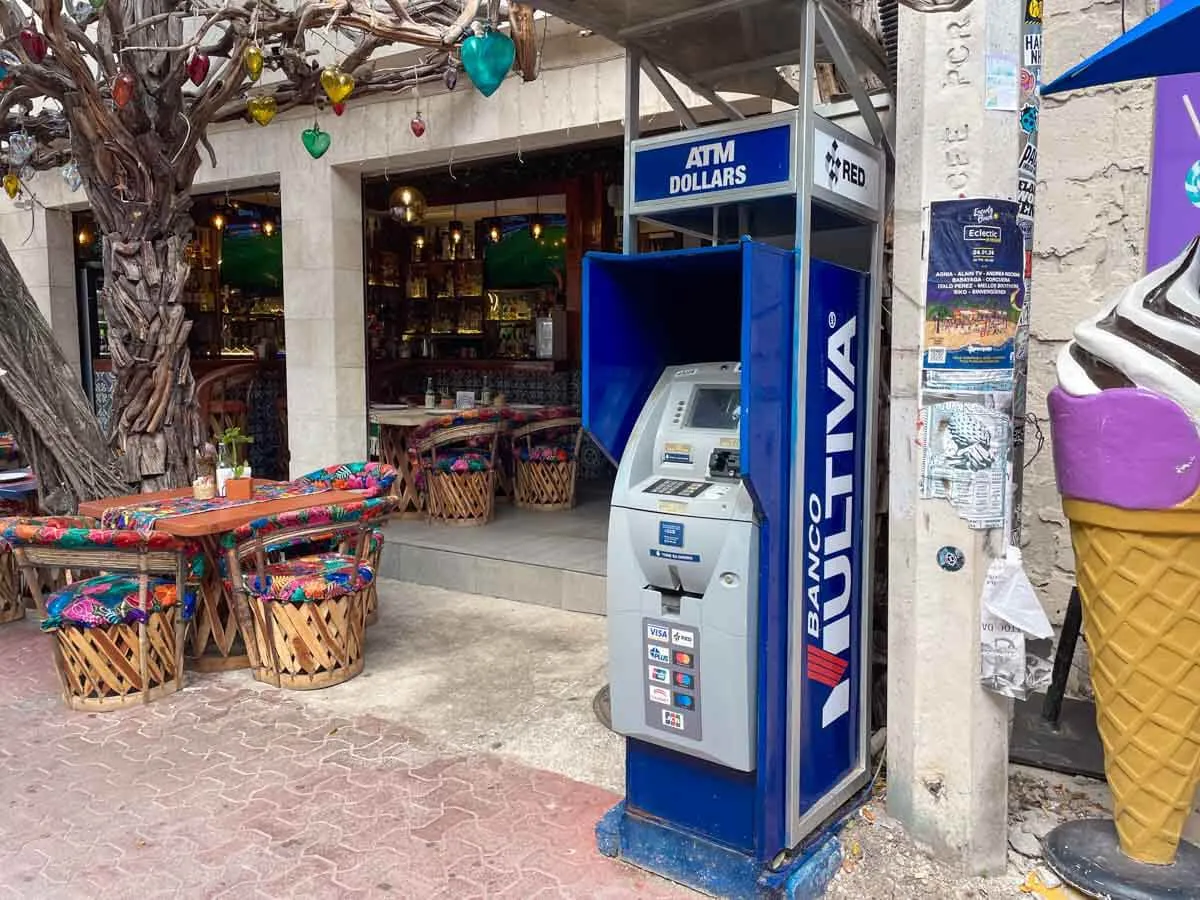
Sometimes I just need a little cash quickly—for a taxi, street food or markets. An ATM is the easiest option then, even if it isn’t the cheapest.
How I do it, step by step
- I find an ATM attached to a real bank (not a “Euronet” machine—more on that below).
- I insert the card and choose English or Spanish as the language.
- When it asks whether I want the currency conversion done by my bank or by the ATM, I always choose without conversion (“without conversion” or “decline conversion”). This is called DCC, and if you say yes, you lose money on a bad rate.
- I enter the amount and take out pesos.
Which ATMs I recommend
I stick to the banks’ own ATMs, such as BBVA, Santander, Banorte and Scotiabank. They have lower fees and better rates than the yellow Euronet machines you see all over Fifth Avenue.
Watch out for Euronet! They look like normal ATMs, but the fees are much higher and the rate is much worse. I always avoid them.
Pros
- Very easy—all you need is your card
- You get pesos immediately
- ATMs are everywhere in Playa del Carmen
Cons
- You pay two fees: one from the ATM and one from your home bank
- The rate isn’t the best
- Max withdrawal is often capped at 6,000–9,000 MXN per transaction
What it actually costs me
For a withdrawal of 5,000 MXN, I usually end up paying around 80–120 MXN in combined fees, plus a small markup on the rate. It’s not catastrophic for small amounts, but it gets expensive if you withdraw large sums often.
When I use this method
- When I need a little cash fast
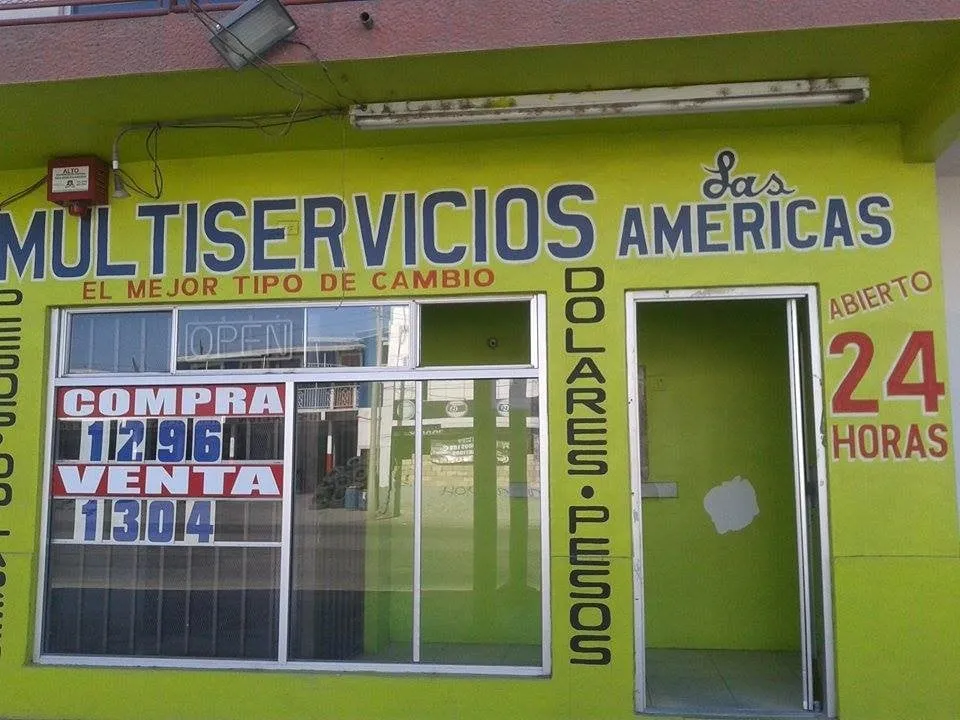
- When I’m in a new neighborhood and don’t know where the nearest exchange office is
- As a backup if Revolut or Wise has issues
My recommendation
Use ATMs only for small, urgent withdrawals. For larger amounts there are cheaper options—like Revolut, Wise or a good exchange office. I’ve written separate posts about all the other options.